

Nitrogen-Hydrogen Tracer Gas Leak Locating
Our nitrogen-hydrogen tracer gas system helps identify where an underground water leak is releasing gas, giving the repair a more focused starting point.
Water Leak Locating: Sevier County, TN
A rising water bill, damp slab, or unexplained wet spot can point to a hidden water leak. We use acoustic and tracer-gas methods when appropriate to help locate leaks in slabs, buried water lines, and other hard-to-see places. We explain what we find and discuss repair options before work begins.
Tell us what you have noticed and where the property is. We choose the testing method for the situation, share the findings, and discuss repair options. The cost of locating a leak depends on access and the testing needed; ask about the visit and applicable charges when you schedule.
A leak you can't see is a leak that will find you eventually: in your water bill, in your drywall, in your flooring, or in the foundation underneath. For short-term rental property owners, a hidden leak means guest complaints, bad reviews, emergency after-hours calls, and the kind of water damage that insurance adjusters photograph.
Gas leaks carry a different category of risk entirely. A small gas leak in a cabin full of guests is not a slow inconvenience. It is a safety emergency that cannot be addressed with a lit match and a hope. Finding it quickly, precisely, and without guesswork is not optional. It is the job.
Most plumbers approach both problems the same way: look where it seems wet, open what seems suspicious, and start replacing things until the symptom stops. Speed King approaches it differently. We bring the right equipment to every leak call, locate the source with precision, and then make the repair, not the other way around.
A hidden leak in a supply line, slab, or crawlspace can waste thousands of gallons before any visible damage appears. We find the source, not just the symptom.
A gas smell in a property that doesn't trace to an obvious source is exactly the situation our gas detection equipment was built for: thorough, precise, and safe.
Acoustic and tracer-gas methods can help narrow down a hard-to-see water leak before repair work is planned.
Combustible-gas detection equipment helps investigate possible natural-gas or propane leaks. Drain smoke testing is a separate service.
A gas smell demands immediate, precise action, not a slow, aimless search with a lit lighter and a nose. Speed King carries professional-grade combustible gas detection equipment that identifies the presence and concentration of natural gas and propane with accuracy that a human sense of smell simply cannot match.
Our detector traces the gas plume to its source: pinpointing whether the leak is at a fitting, a flex line, a valve, a connection behind a wall, or at the appliance itself. That precision means the repair is targeted. We are not replacing sections of pipe on a guess or charging you for three hours of investigation that ends at "we think it might be somewhere in this wall."
Gas leak locating is a service we take seriously and perform with the thoroughness it deserves. For STR property owners especially (where a gas smell in an occupied cabin requires an immediate, documented response) Speed King gives you the professional confidence that the issue has been found, not just assumed to be resolved.
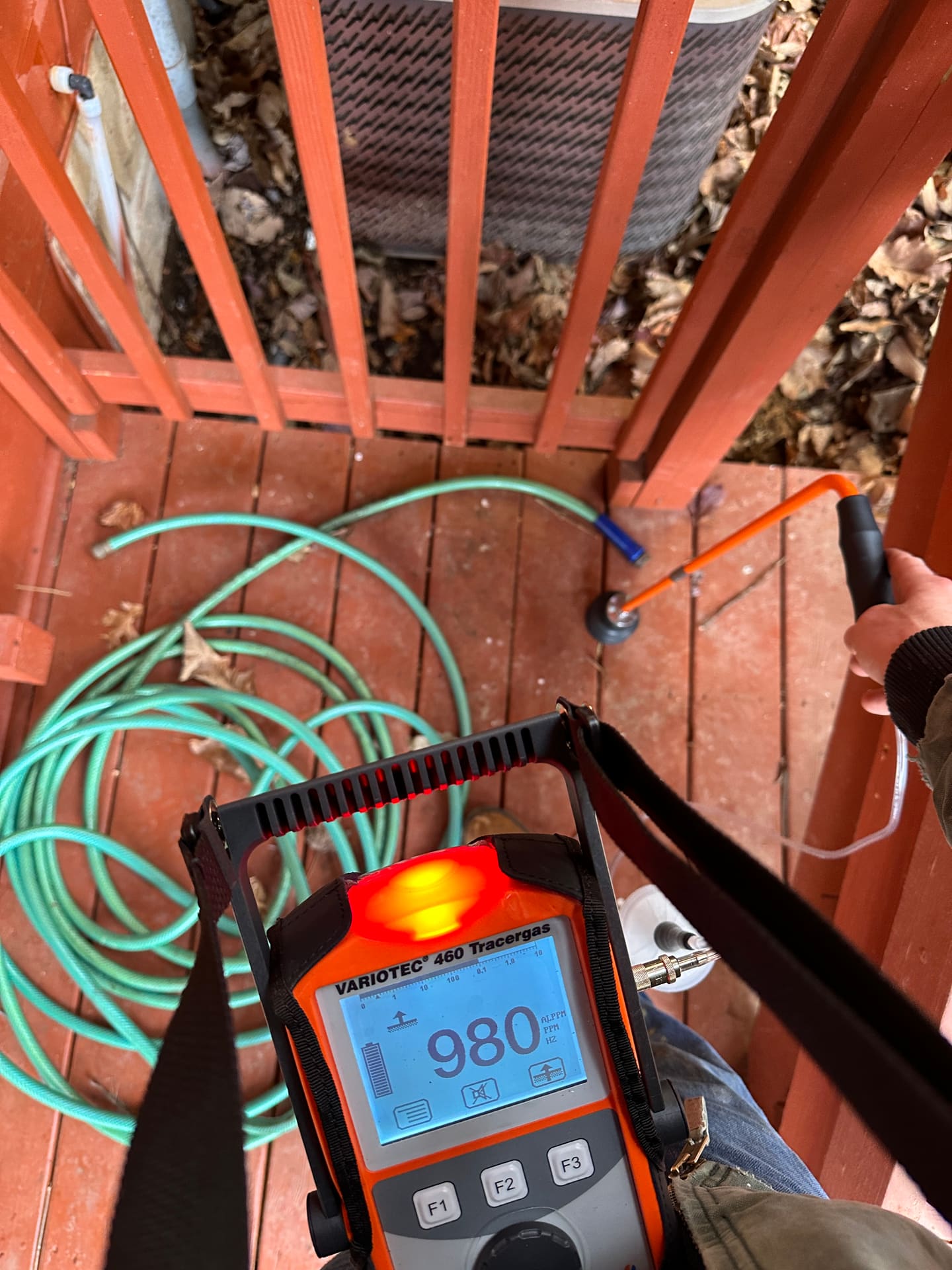
Professional gas detection equipment reading concentration levels
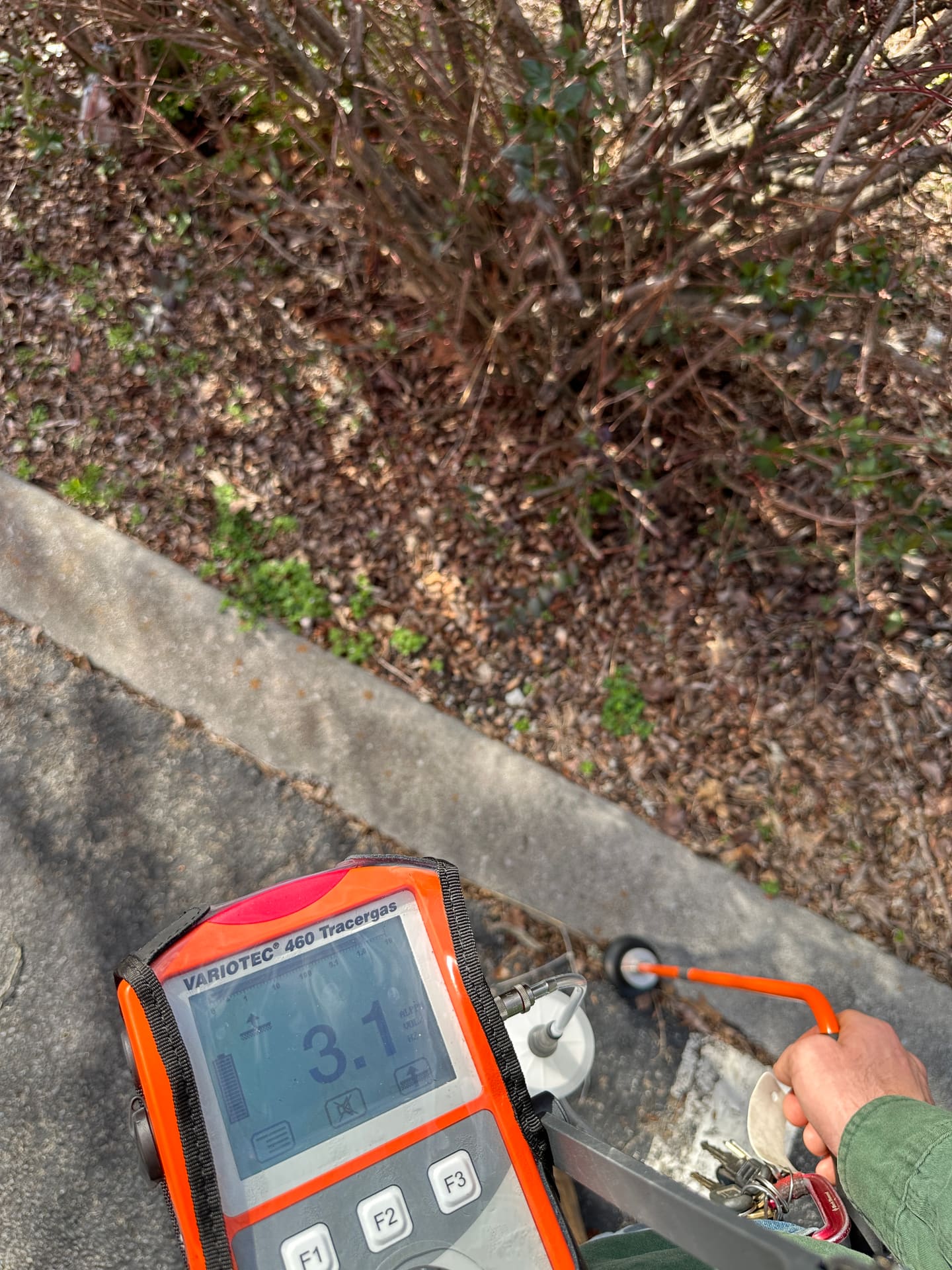
Gas leak source located and documented
Speed King carries a Sewerin acoustic leak detection system: professional-grade equipment that listens for the sound signature of pressurized water escaping a pipe. Underground supply line leaks that produce no visible surface evidence can be pinpointed precisely using acoustic correlation, eliminating the guesswork of where to dig.
The system uses a ground microphone sensor to pick up the vibration and noise generated by a pressurized leak. The detector processes the signal and identifies the peak: the precise location where sound intensity is highest, which is where the leak is. No trenching along the entire line. No breaking concrete in the wrong spot.
Acoustic detection is especially valuable for buried water supply lines, slab leaks, and underground service lines where the leak point is not visible from the surface and excavation is expensive.
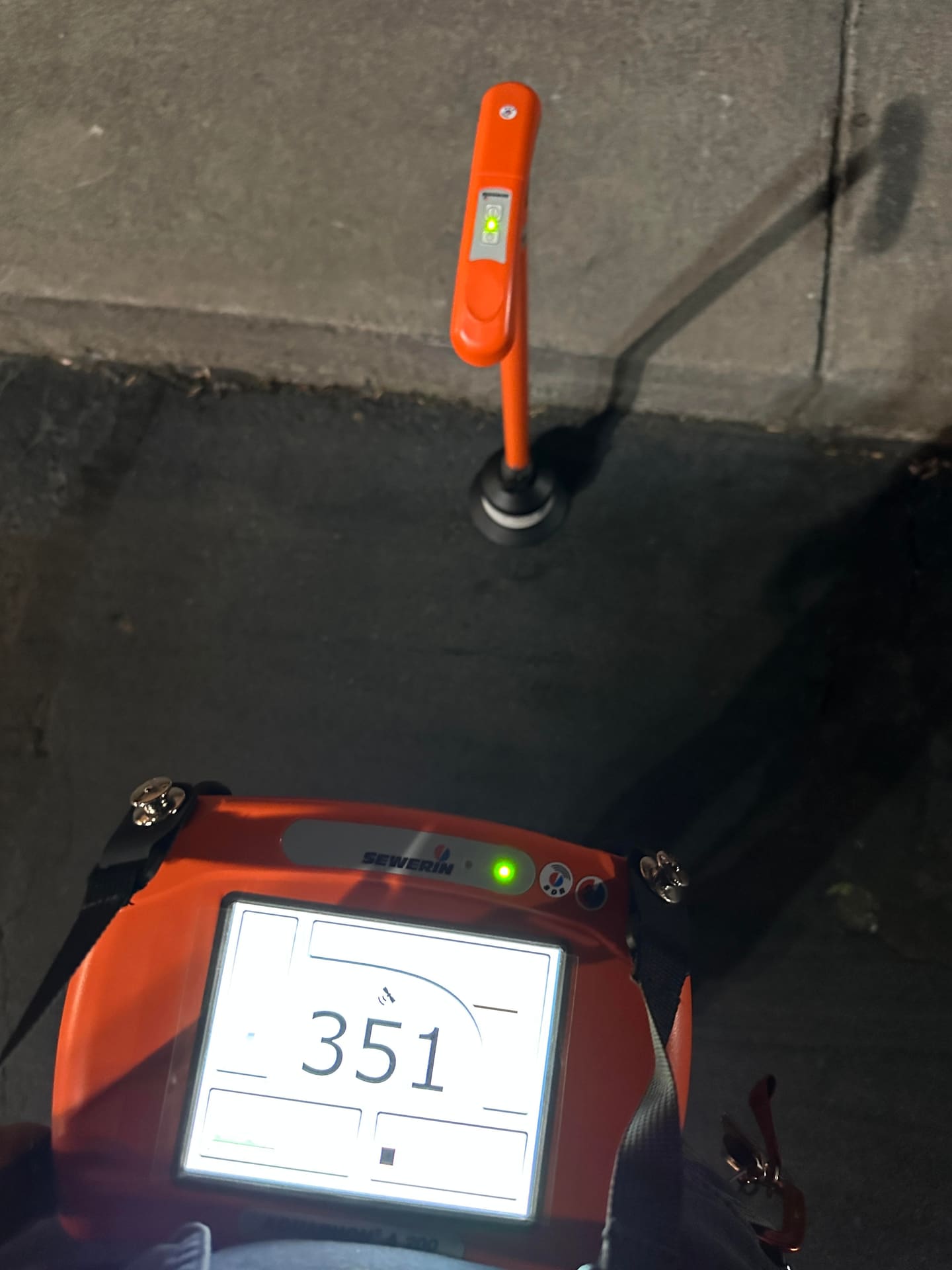
Sewerin acoustic detector: ground microphone sensor locating an underground supply line leak
Field Evidence
Before recommending a repair, we look for evidence. These field videos show tracer gas leak locating in action and the water meter confirming that the leak stopped after the repair.
Our nitrogen-hydrogen tracer gas system helps identify where an underground water leak is releasing gas, giving the repair a more focused starting point.
After the repair, the leak indicator on the water meter is no longer moving. That visible result helps confirm that the water loss has stopped.
Videos are provided as real field examples. The right testing method and repair plan depend on the property and the actual leak.
We run every leak call the same way: step by step, equipment-first, no guessing. You always know what we found, where we found it, and what it takes to fix it before we start cutting.
Before we touch anything, we want to know what you have observed: when the smell started, where the wet spot appeared, what has already been done, what the property layout looks like. Good diagnostic work starts with the right questions.
We select the right tool for the situation. Hidden water leaks may call for acoustic or tracer-gas methods. Sewer odors in plumbing drains may call for separate smoke testing. Possible natural-gas or propane leaks call for combustible-gas detection.
We work through the system thoroughly (zone by zone, section by section) until the source is confirmed. We do not stop at the first suspicious area and assume. We verify the find and check surrounding areas to make sure there is not a second issue hiding near the first.
You see what we found. We photograph the source, document the location, and explain exactly what failed and why. For STR owners and property managers who are not on-site, we document thoroughly so you can make informed decisions remotely.
After a repair, we check the affected system with the method appropriate to that system. A water meter can help confirm a water leak has stopped; drain smoke testing and combustible-gas detection are used only for their respective systems.
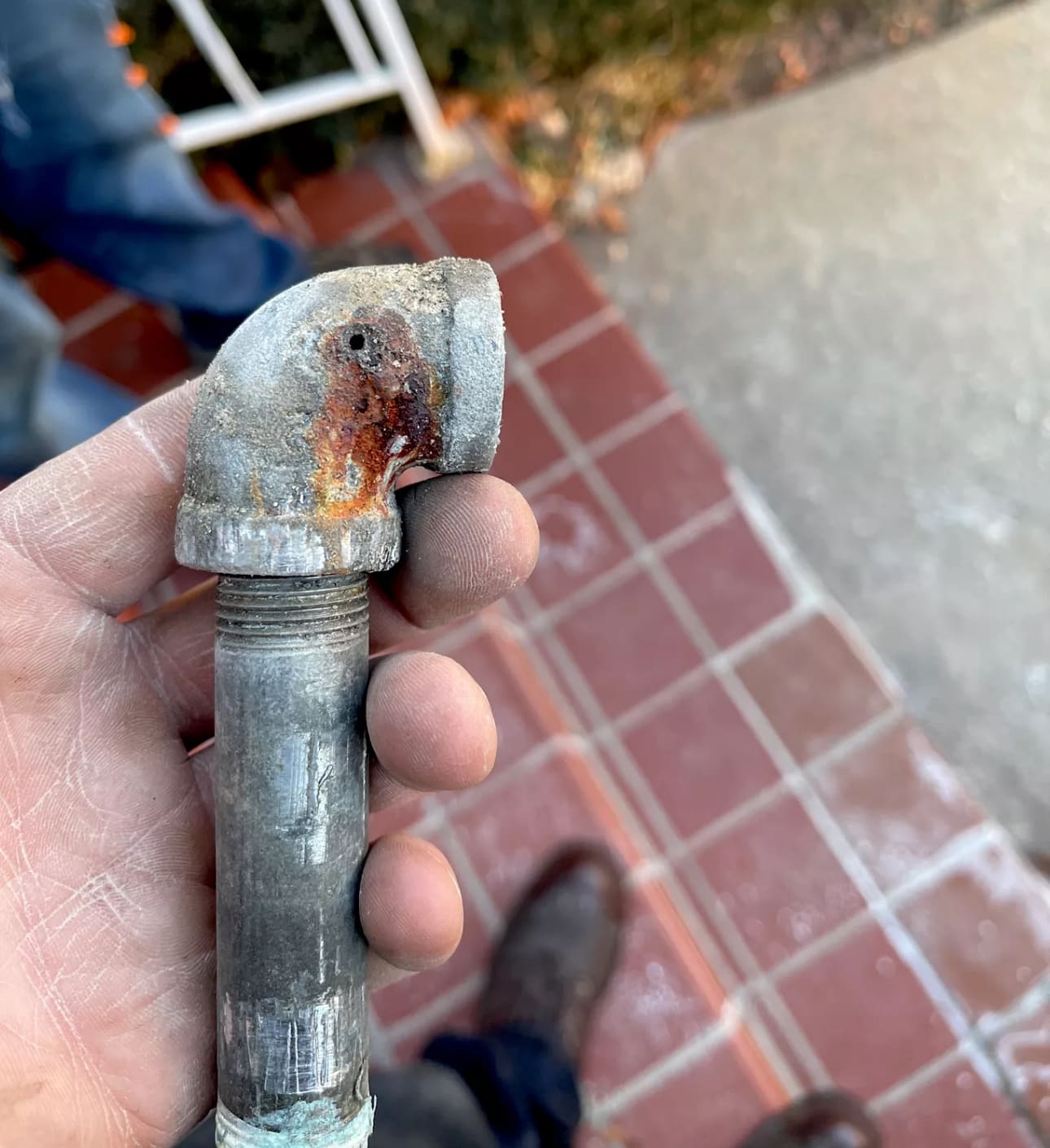
Source located and documented before repair
If leak detection confirms that an underground water service line has failed beyond a dependable spot repair, trenchless water line replacement may let us replace the line with pipe bursting while limiting the amount of open trench across the property.
Under-Driveway Water Line Leak: Locate & Repair
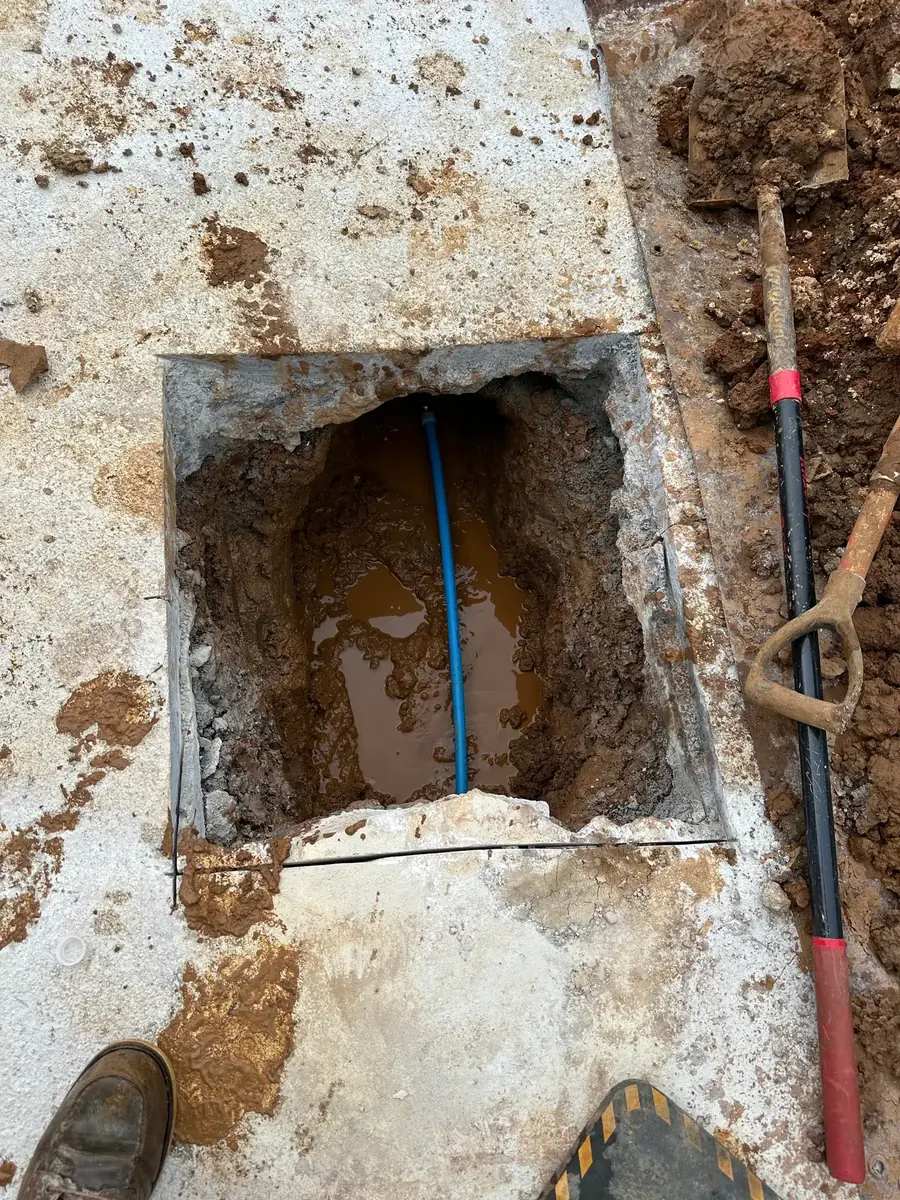
Concrete cut and excavated: leak located under the driveway, standing water in the pit and the failed copper line exposed.
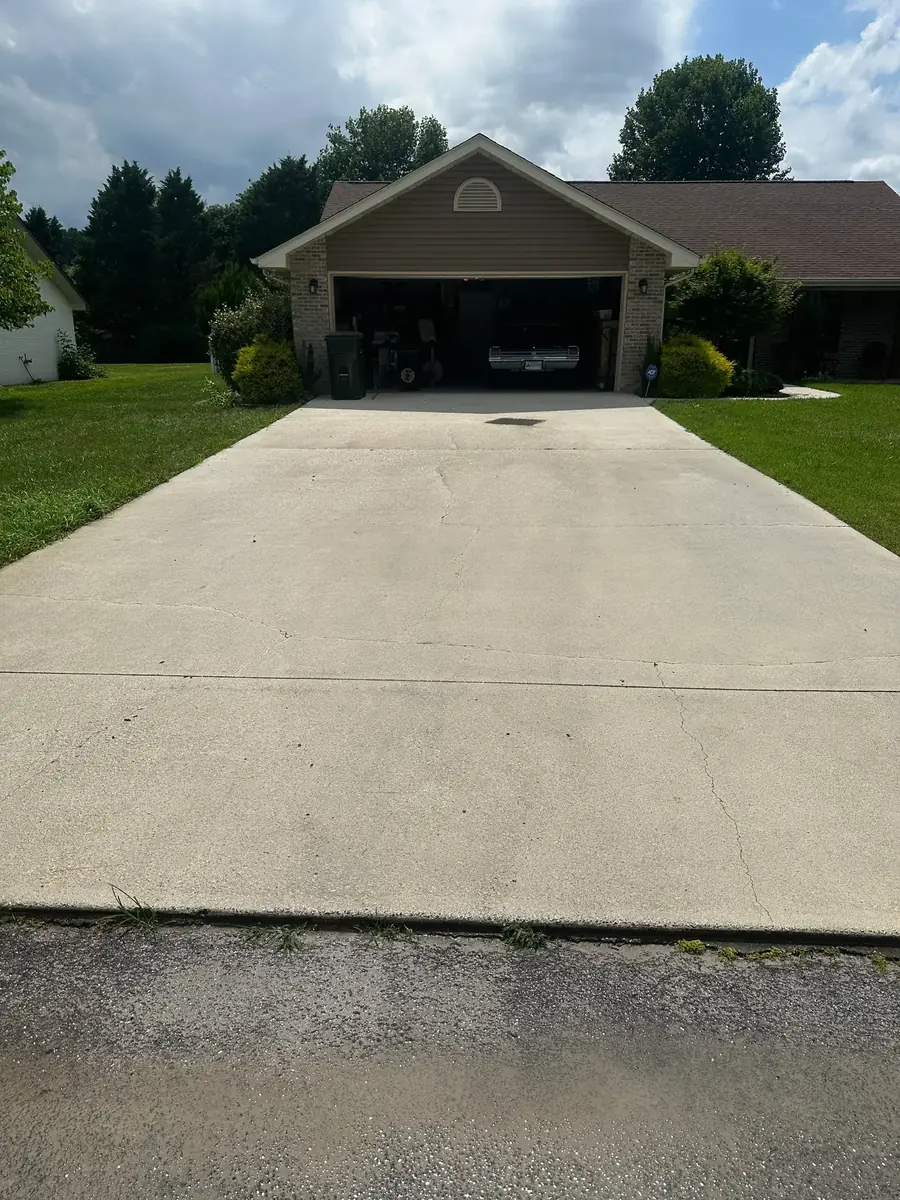
Driveway fully restored: concrete patched and finished, no visible sign the ground was ever opened.
Underground Drain Leak: Locate & Repair
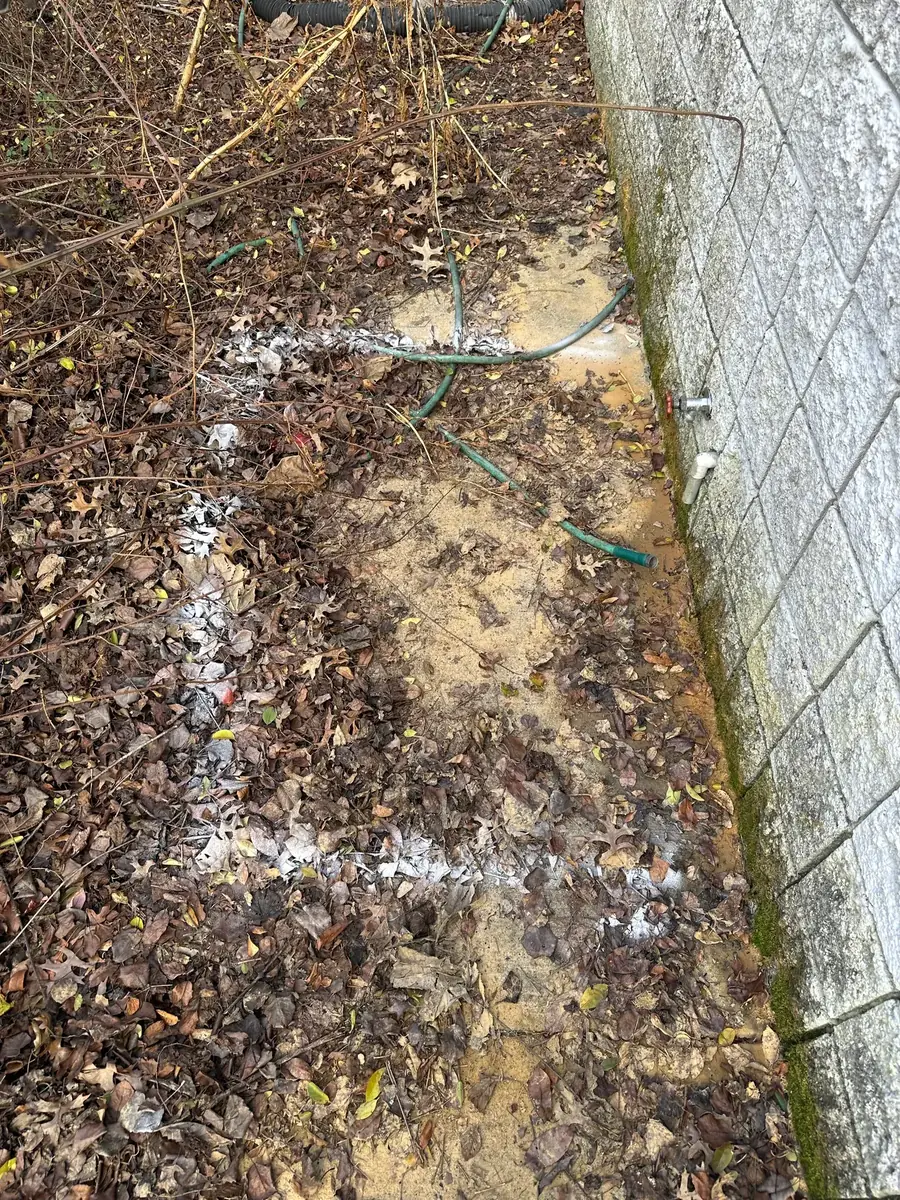
Leak pinpointed underground: line marked on the surface before a single shovel hit the ground.
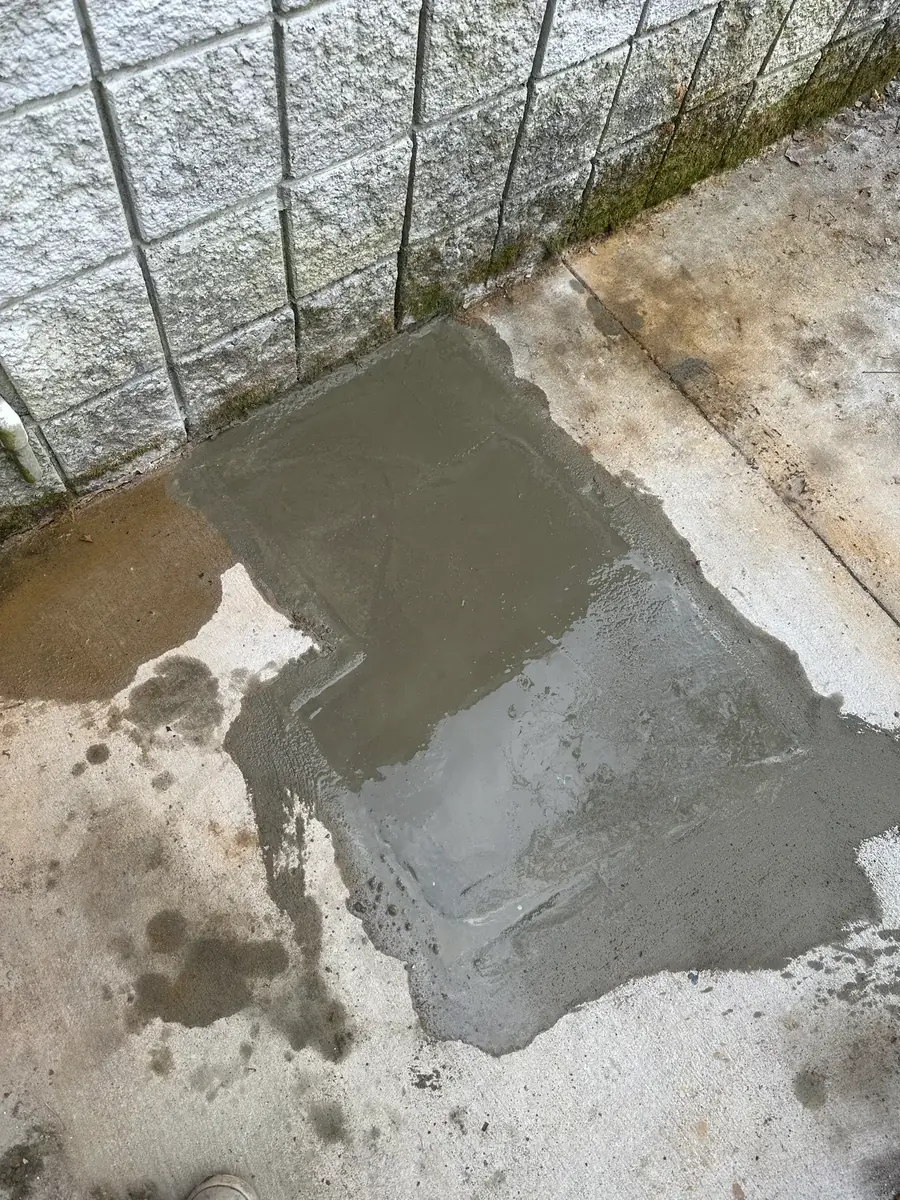
Concrete poured and finished: leak repaired, slab restored, no trace of the damage.
One call covers it all: here's what else we do.
Camera Inspection
Video pipe inspection to see exactly what's inside your lines.
Drain Cleaning
Professional drain cleaning for slow or completely blocked lines.
Smoke Testing
Investigate sewer odors and escape points in plumbing drain systems.
Service & Repair
Fast, honest repairs for leaks, fixtures, pipes, and more.
Water Line Replacement
Evaluate targeted options for buried water-line failures.
Local service areas: SeviervillePigeon ForgeGatlinburgJefferson CityMorristownNewportView all by county
Quick Answers
Direct answers to common questions about this service.
The cost of finding a hidden water leak depends on the suspected piping, property access, and diagnostic methods needed. Locating a buried supply-line leak is different from checking an exposed connection. Speed King explains the locating scope; opening the affected area and repairing the pipe are additional work to identify and discuss, not assumptions built into every locating job.
Higher water use can come from a running toilet, irrigation, a change in usage, or a hidden supply-line leak. The bill alone does not identify the cause. Speed King can investigate the symptoms and piping to determine whether specialized leak locating is appropriate, including at a Sevier County cabin or rental property.
Finding the leak identifies where the problem is; repairing it may require excavation, opening a wall or floor, and replacing damaged pipe. Those are different scopes of work. Ask what the locating service includes and how access and repair will be handled, rather than assuming one price covers every step.
We show and document the evidence, explain what failed, and review the repair options. When the repair is completed, the affected system can be retested to verify the result.
The method depends on the symptoms and piping. For hidden water leaks, Speed King may use acoustic equipment, tracer-gas methods, visual evidence, and systematic isolation to narrow the source before recommending where to open or dig. Drain smoke testing is a separate service for sewer odors.
Yes. The purpose of equipment-based locating is to narrow the problem to a confirmed area before excavation, concrete cutting, or wall access begins. Some access may still be required to complete the repair.
Consider professional locating when water use rises unexpectedly, pressure changes, wet areas appear, or a buried supply line is suspected even though the surface looks dry.
We use smoke testing to investigate plumbing drain defects that can release sewer odors, and combustible-gas detection equipment to locate natural gas or propane at fittings, valves, connections, and appliances.
Yes. A suspected water-line leak beneath a slab can be evaluated using equipment-based locating and systematic testing. Pipe material, depth, access, and site conditions affect the method and how precisely the source can be narrowed. Locating comes before deciding where access is needed; it does not mean the repair can always be completed without opening the slab.
It can, but low pressure can also come from a partly closed valve, a pressure regulator, a restriction, or the incoming supply. Whether the change affects one fixture or the whole property, along with water-use and meter findings, helps distinguish the causes. Speed King checks those possibilities rather than assuming low pressure proves a leak.
Some tests require water pressure or flow, while others require isolating sections or temporarily shutting off the supply. The method depends on the suspected leak and piping. Tell Speed King about guest occupancy or business operations so we can explain any expected interruption and coordinate the necessary testing.
A gas smell or a hidden water leak is not a problem that gets better with time. Call Speed King and get the right equipment on the job: fast.