Direct answers to common questions about this service.
What problems are covered by plumbing service and repair?
Service calls can cover active leaks, burst or damaged piping, failed fixtures, toilets, faucets, garbage disposals, drain problems, pressure concerns, and other plumbing failures that need diagnosis and repair.
What should I do before a plumber arrives for an active leak?
If you can reach the correct shutoff safely, stop the water and move belongings away from the affected area. Then call and describe where the water is coming from so we can prepare for the visit.
How do you decide whether plumbing should be repaired or replaced?
We consider the failed part, surrounding material, age, code requirements, access, and whether a repair is likely to hold. We explain the practical options instead of recommending replacement automatically.
Can Speed King repair a burst pipe?
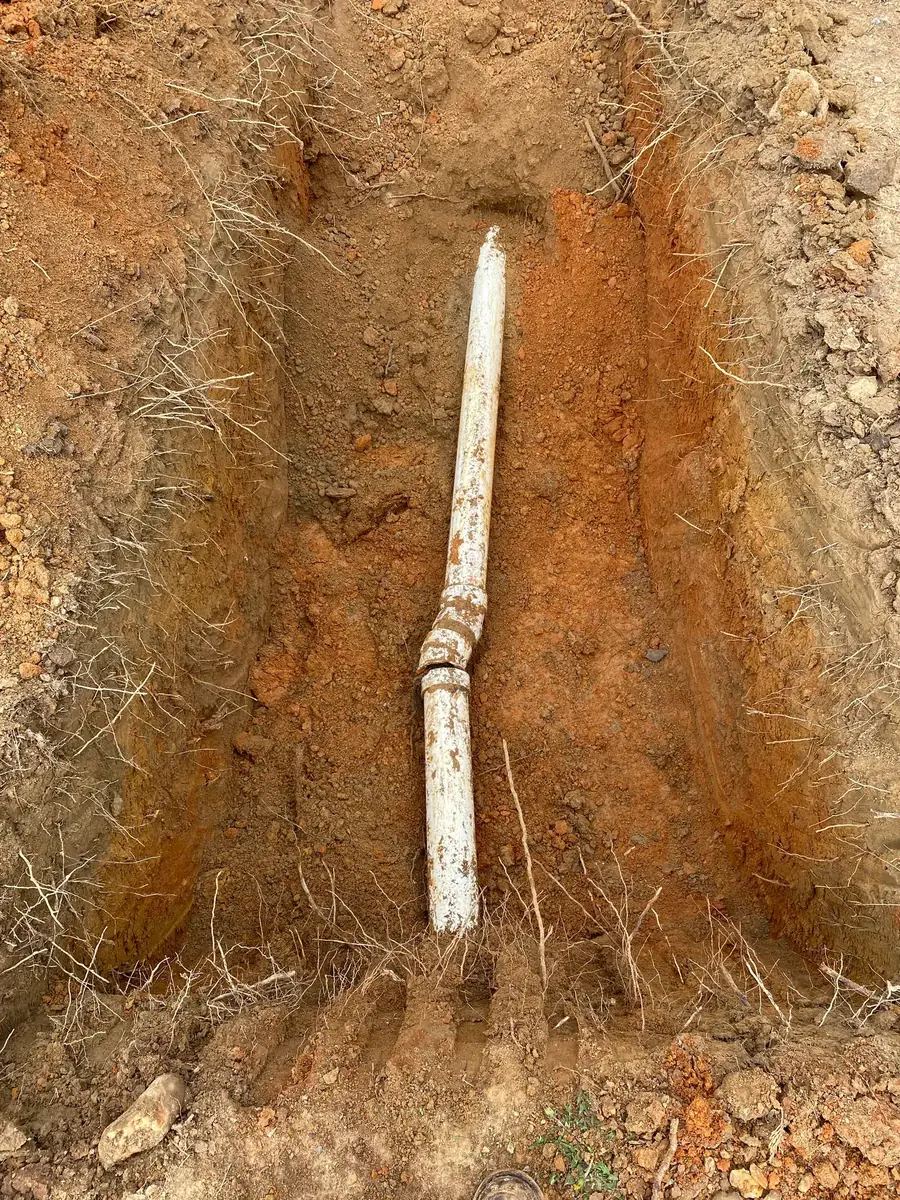
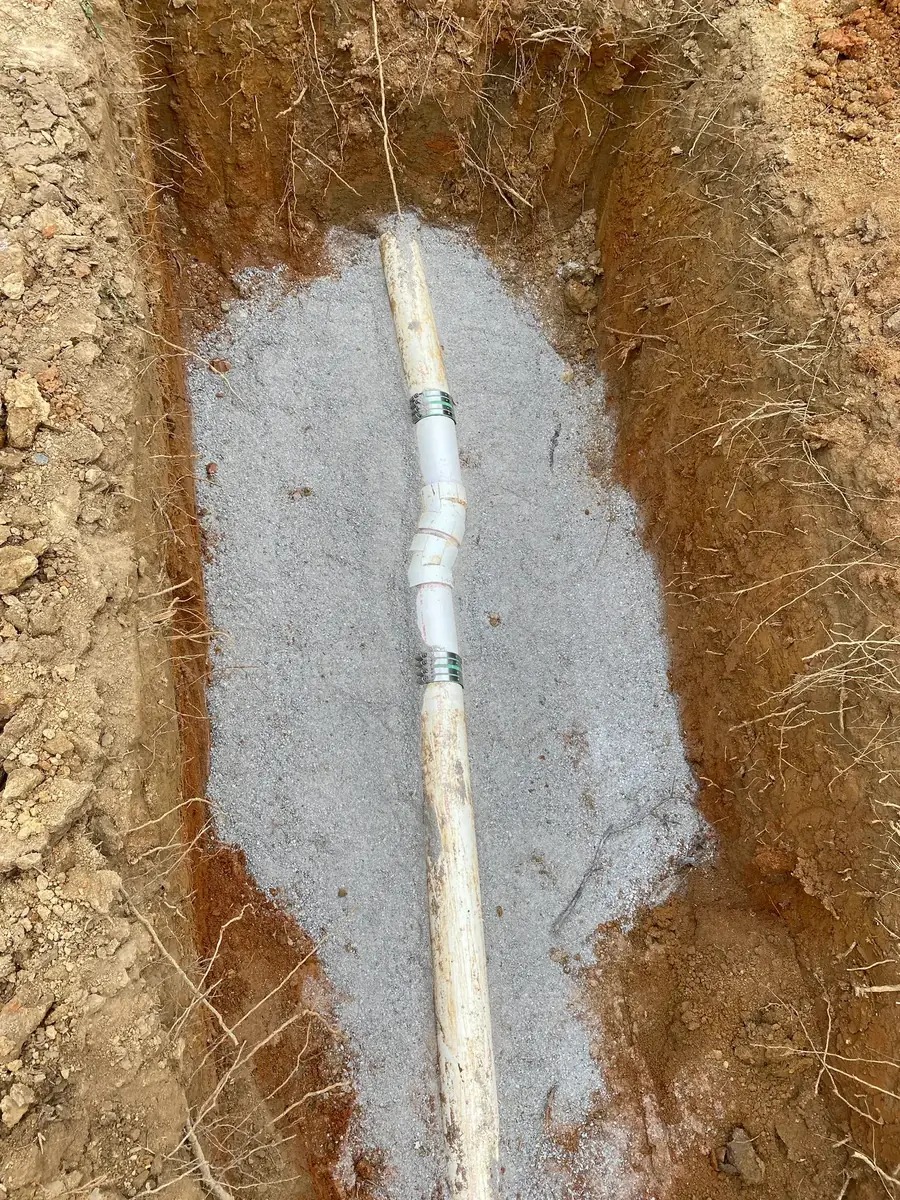
Yes. Burst piping requires the water to be controlled, the damaged section exposed, and the failed material repaired or replaced. Call immediately when water is actively escaping.
When should a plumbing problem be treated as an urgent repair?
Treat it as urgent when water is actively escaping, a main line or drain is backing up, a pipe has burst, the property has lost essential service, or continued use could cause more damage. Tell us those details when you call.
Why does my toilet keep running after I flush?
A running toilet often has a worn flapper or flush-valve seal, a fill-valve problem, or an incorrect water-level setting. We check what is allowing water to keep flowing and whether the existing toilet can be repaired. A running toilet does not automatically need replacement.
Why does my toilet rock or move when I sit on it?
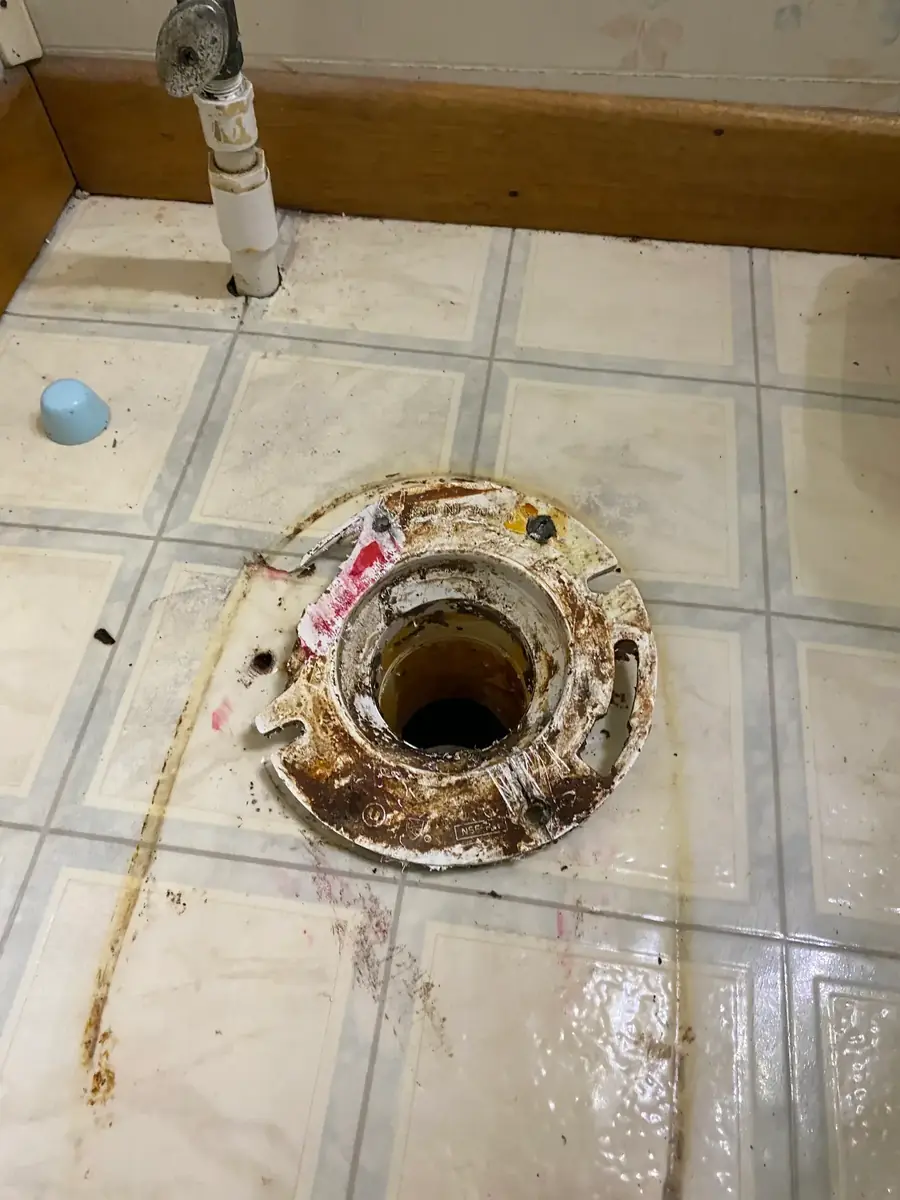
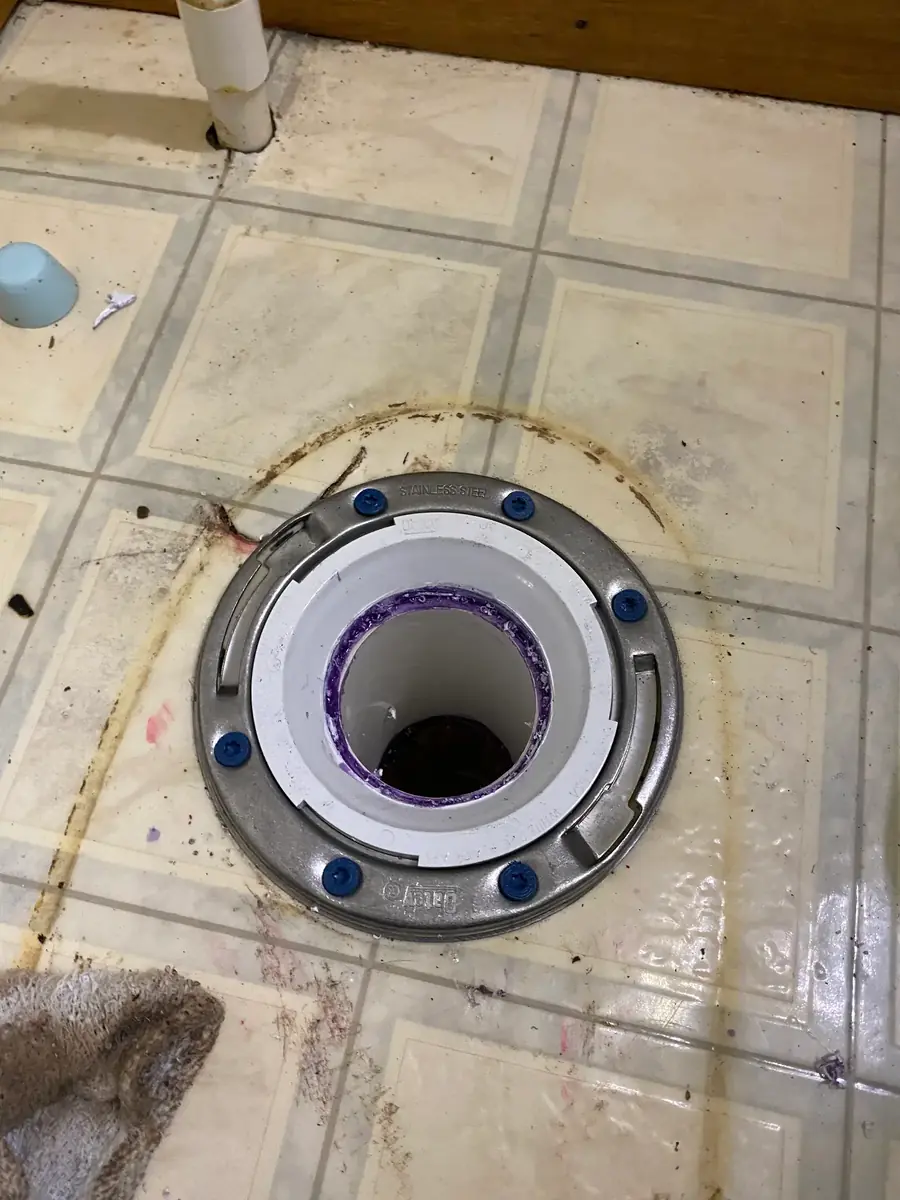
Movement can come from loose mounting hardware, an uneven floor, or a damaged toilet flange. It can also compromise the seal beneath the toilet. We check the mounting, flange, and surrounding floor before recommending a repair rather than simply tightening the bolts.
Why does the same toilet keep clogging?
Repeated clogs can involve the toilet’s flushing performance, something lodged in its internal trap, or a restriction farther down the drain. We check whether the problem affects only that toilet or other fixtures too. That helps distinguish a toilet problem from a larger drain-line issue.
Why does my faucet keep dripping after I turn it off?
A persistent drip often means the cartridge, washer, valve seat, or another internal sealing part is worn or damaged. We identify the faucet and check its condition and repair-part availability. Replacing the entire faucet is not always necessary.
Should I repair a dripping faucet or replace it?
That depends on the faucet’s condition, the availability of suitable parts, and whether the problem is limited to a repairable component. A sound faucet may be worth repairing. Replacement may make more sense when the body is damaged, corrosion is extensive, or dependable repair parts are unavailable.